Home / Memorials / Charles H. Davis
In Loving Memory
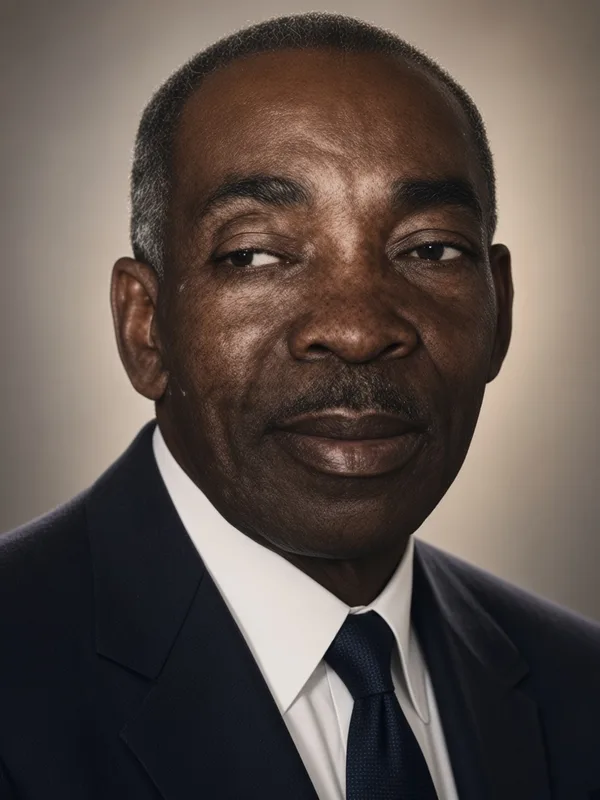
The Saint and Reverend Charles H. Davis
Founding Pastor · Salem Missionary Baptist Church
Founded in 1931 and established September 1938 by the Saint and Reverend Charles H. Davis. A man of God. His pastoral witness, the Great Migration story that framed his generation, and the clippings that remember him are gathered here with reverence.
I have fought a good fight, I have finished my course, I have kept the faith: Henceforth there is laid up for me a crown of righteousness, which the Lord, the righteous judge, shall give me at that day: and not to me only, but unto all them also that love his appearing.2 Timothy 4:7–8 · KJV
His life and ministry
Pastor Charles H. Davis founded Salem in 1931, and the teaching and preaching of the Gospel have guided the congregation since. He and Mrs. Davis were married in Memphis, Tennessee, and came to California many years before; they settled in Monrovia, where for some twenty years he was pastor of the Second Baptist Church. He later founded the Salem Baptist Church.
Newspaper notices show him at work as Salem’s pastor: the election of the church’s missionary officers for 1935, the ordination of Brother Ewing Robinson into the Baptist ministry on November 22, 1942 (E. Branch, clerk), and a March 1947 church directory listing combined services with Adams Boulevard Baptist Church and a sermon by Rev. C. H. Davis. A 1952 Easter leaflet, “Absolutely Free to All,” names a sunrise service conducted by Rev. C. H. Davis Sr. and a message by Rev. C. H. Davis Jr. A 1958 letter addressed to Rev. Charles H. Davis Jr. of Salem confirms that father and son were two different men.
When the elder Davis stepped back, his son, the Rev. Charles H. Davis Jr., took his father’s place in Salem’s pulpit. The founder was called home at seventy, after being struck by a truck on a Monday night in Los Angeles. His funeral was held on a Friday afternoon at the Salem Baptist Church, with Rev. E. A. Anderson, president of the Baptist Ministerial Union, presiding. He was survived by his wife; two sons, Dr. Walter Davis and the Rev. Charles H. Davis Jr.; and two daughters, Mrs. Carolyn Joyce Williamson and Mrs. Velma Jean Ellett.
Sources: obituary notice “Salem Church Founder to be Buried Friday”; Salem Baptist Church newspaper notices (1935, 1942, 1947); 1952 Easter leaflet; Salem Church History Research Packet §§1.1–1.2.
He should not be confused with Rev. F. H. Davis, who is named in the early histories of Trinity and Mount Zion Baptist churches (Mount Zion interim pastor 1916–1917; Trinity pastor 1920–1922).
Source: research packet §1.3
“He Sought the Lost, Not the Streets”
A tribute submitted anonymously “in support of the pastor and the flock he served” remembers him this way: he left his home every evening in search of the lost, and often reported saving a man or woman on the streets of Los Angeles. He pastored the few hobo veterans who survived the First World War and held memorial services for those who did not return. He shepherded the 167 young men of the congregation who went to the Second World War. By the 1950s his ministry bloomed; he helped establish Baptist churches in the area as sister congregations, and envisioned the Los Angeles Area Baptist Committee as a hub of cooperation. In those years the church kept Nursery, Youth, Family, Hobo, Music, and Food ministries.
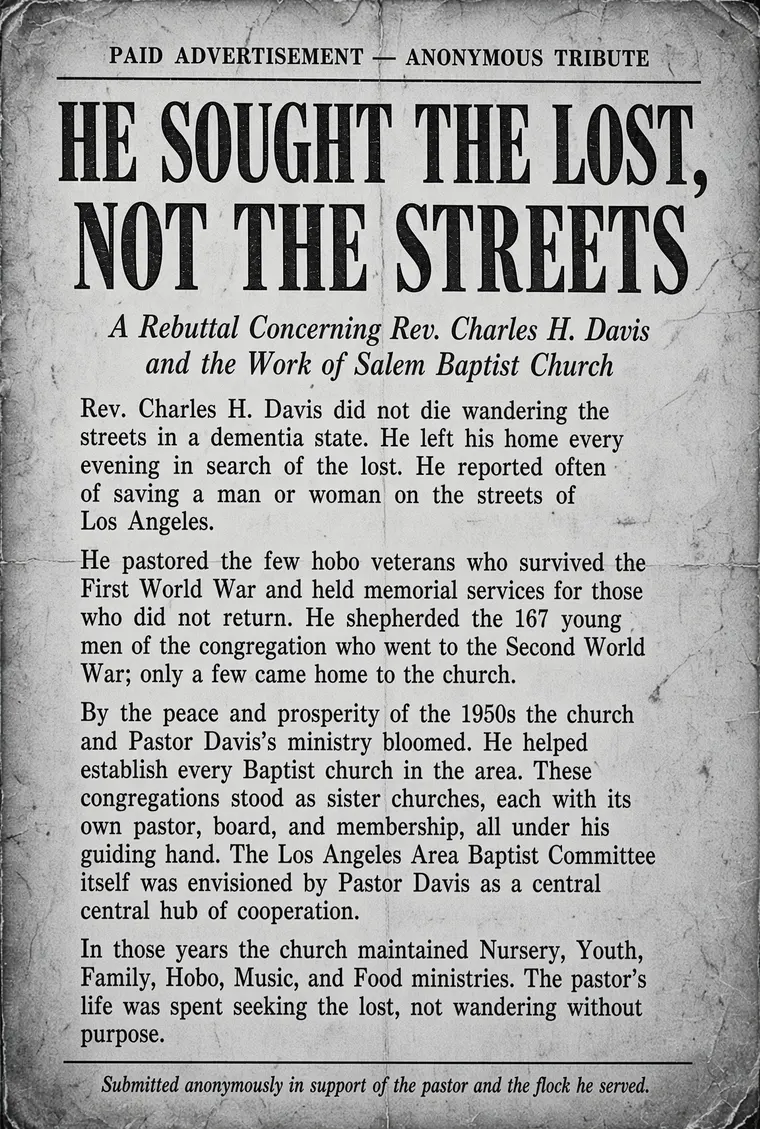
Anonymous tribute
“The pastor’s life was spent seeking the lost, not wandering without purpose.”
“For the Son of man is come to seek and to save that which was lost.” Luke 19:10
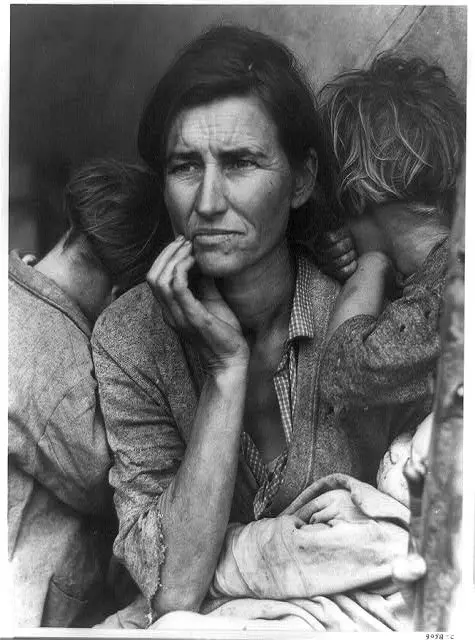
The Great Migration to Los Angeles, 1930s–1940s
How Black Los Angeles grew
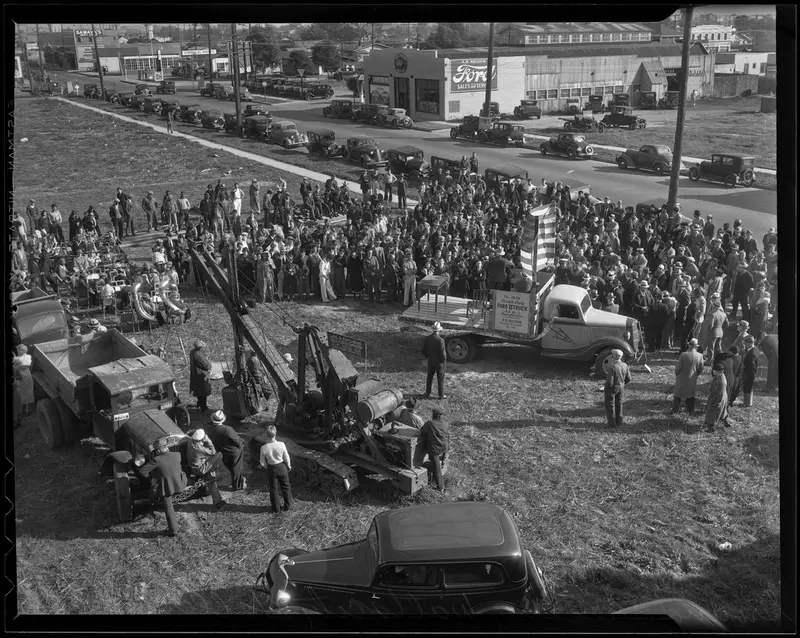
Between the Depression and the early Cold War, Los Angeles became one of the major western destinations of the Second Great Migration. The City of Los Angeles SurveyLA African American Historic Context Statement gives these city census figures for the African American population: 38,894 in 1930; 63,774 in 1940 (4.2%); 171,209 in 1950 (8.7%); and 334,916 in 1960 (13.5%). Los Angeles County totals show the same wartime surge: 46,425 in 1930; 75,209 in 1940; 217,881 in 1950.
Sources: SurveyLA African American HCS; LA Almanac / U.S. Census
Most Black migrants to California came from Louisiana, Texas, Arkansas, and Oklahoma, and nearly three times as many African Americans left that region between 1940 and 1950 as in the previous thirty years. The famous Dust Bowl migration of the 1930s was overwhelmingly white; the larger Black stream into Los Angeles was urban migration into defense work and the Central Avenue and South Los Angeles neighborhoods.
Sources: In Motion (Schomburg Center) — The Second Great Migration; UW Dust Bowl Migration project; research packet §2.3
Wartime work, covenants, and Shelley v. Kraemer
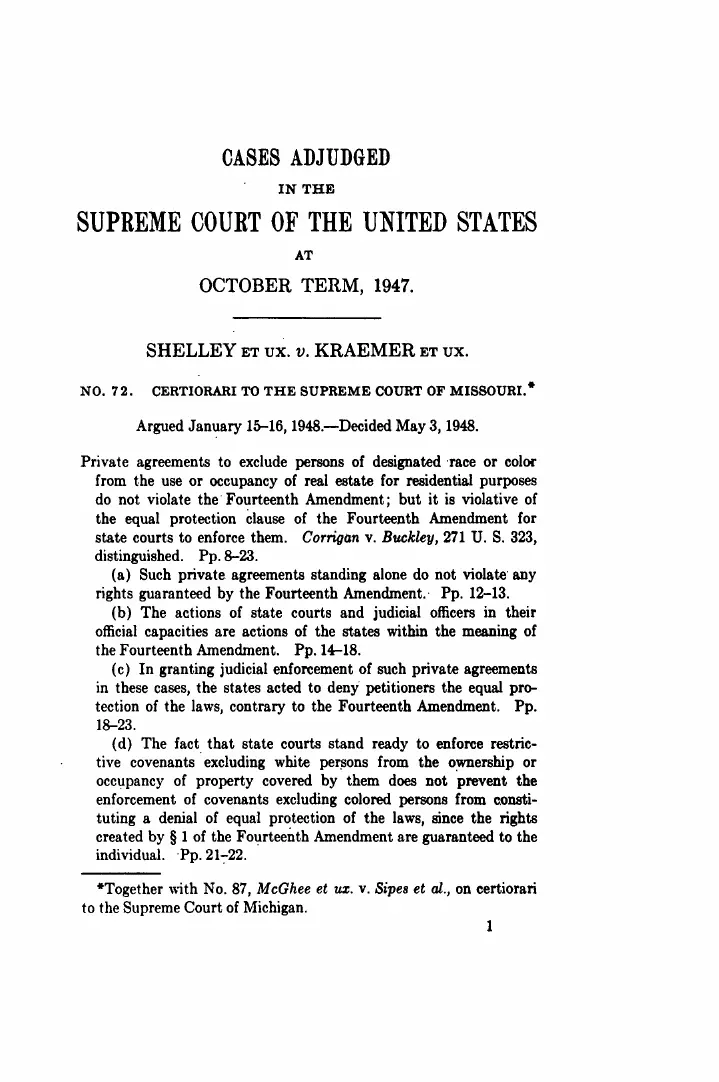
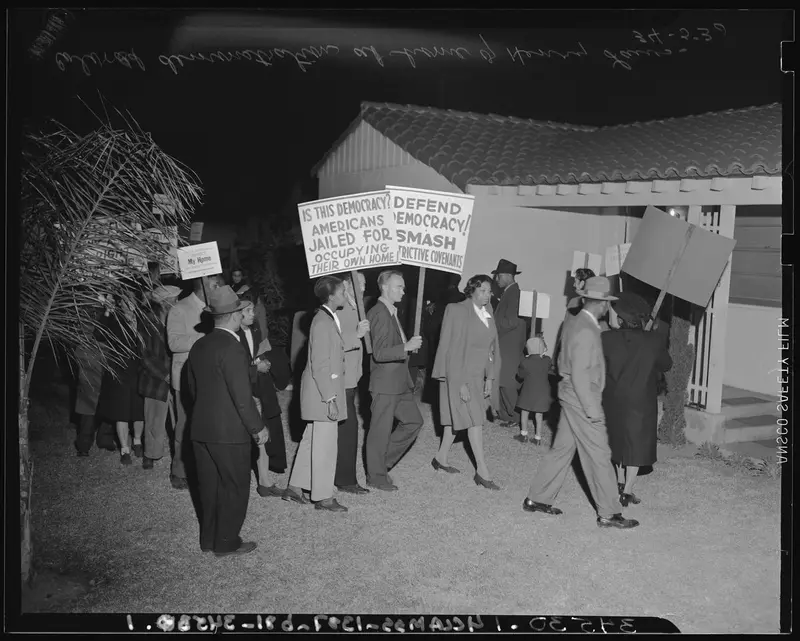
World War II defense production pulled Black workers west; West Coast aircraft employment rose from about 36,850 workers in 1940 to nearly 475,000 by V-J Day. By the 1920s Central Avenue was the social, cultural, and political center of Black Los Angeles, and racially restrictive deed covenants kept Black families concentrated there. In 1948 the U.S. Supreme Court held in Shelley v. Kraemer that state courts may not enforce such covenants, though the struggle for open housing continued long after.
Sources: In Motion; LA Conservancy — Central Avenue; SurveyLA; UCLA Library — Divided Development; Oyez
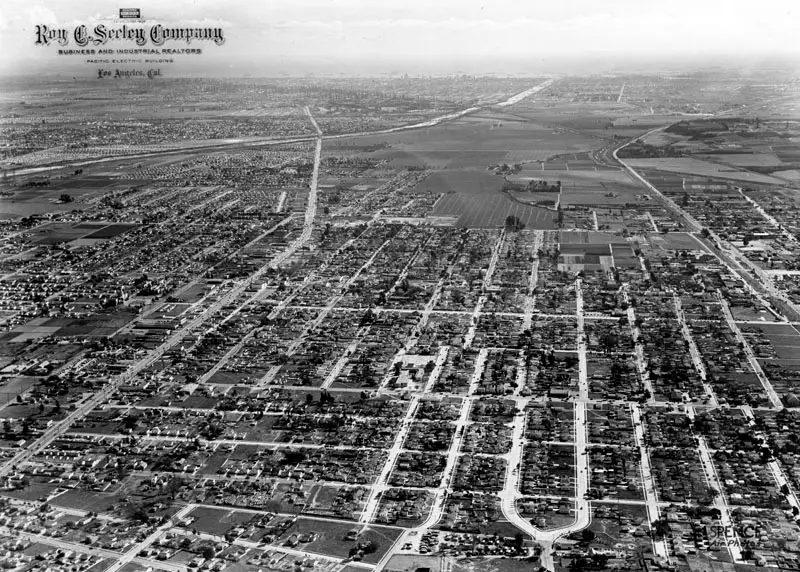
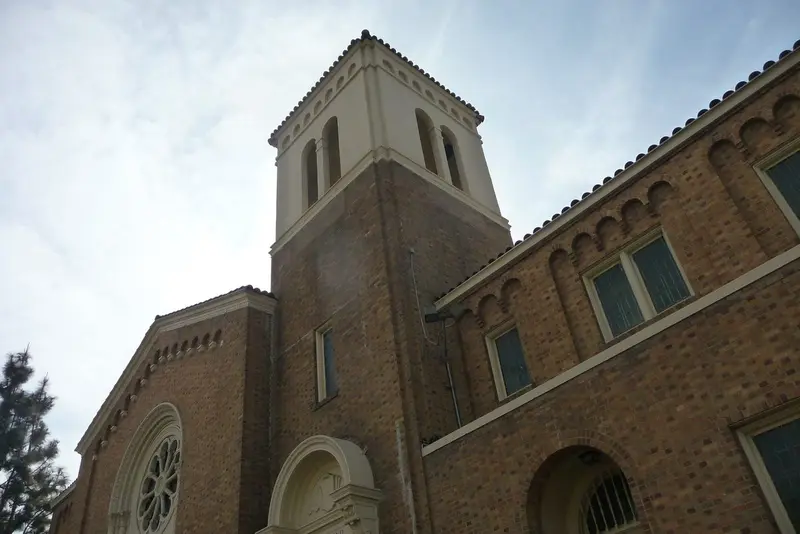
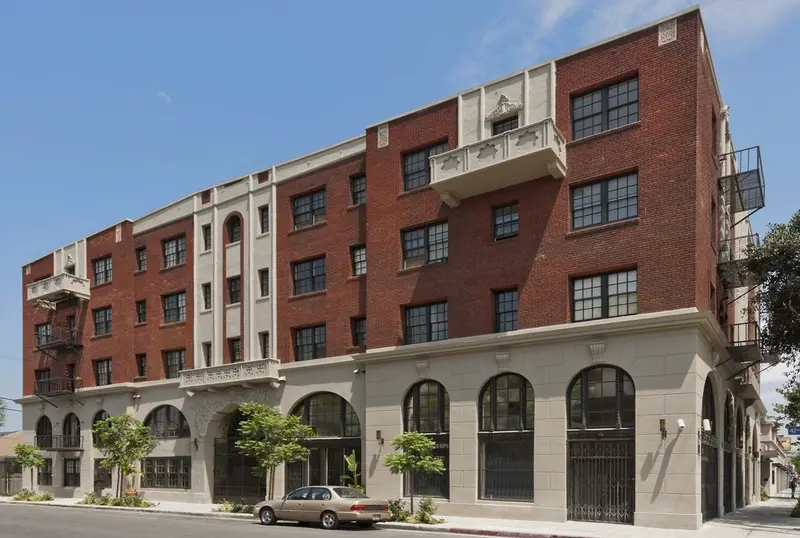
Black Baptist churches in that era
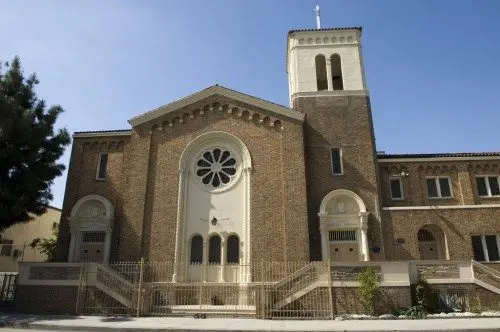
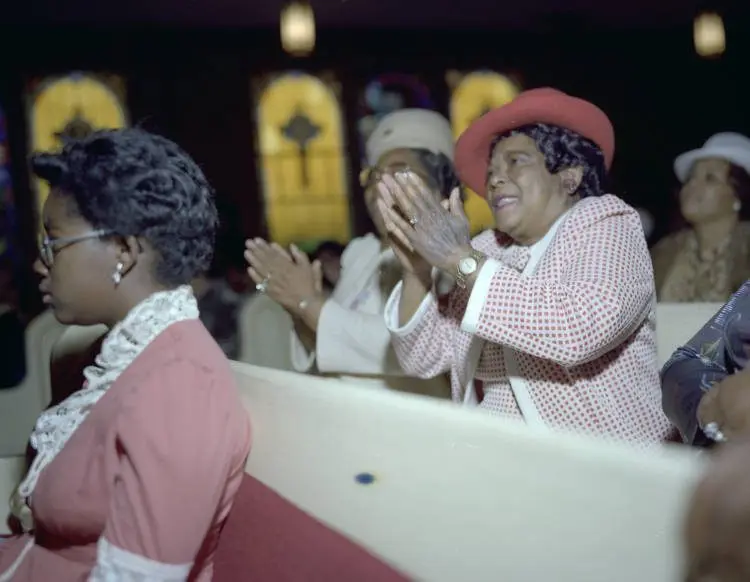
Churches were among the most durable institutions Black migrants built or joined. By 1926 Los Angeles had 33 Black churches with over 10,000 members; by 1936, 54 churches with 17,725 members, including 31 Black Baptist churches. Baptist congregations multiplied as older churches sent out new ones; New Hope, Mount Zion, St. Paul, and Tabernacle Baptist churches all trace roots to Second Baptist.
Source: SurveyLA African American HCS
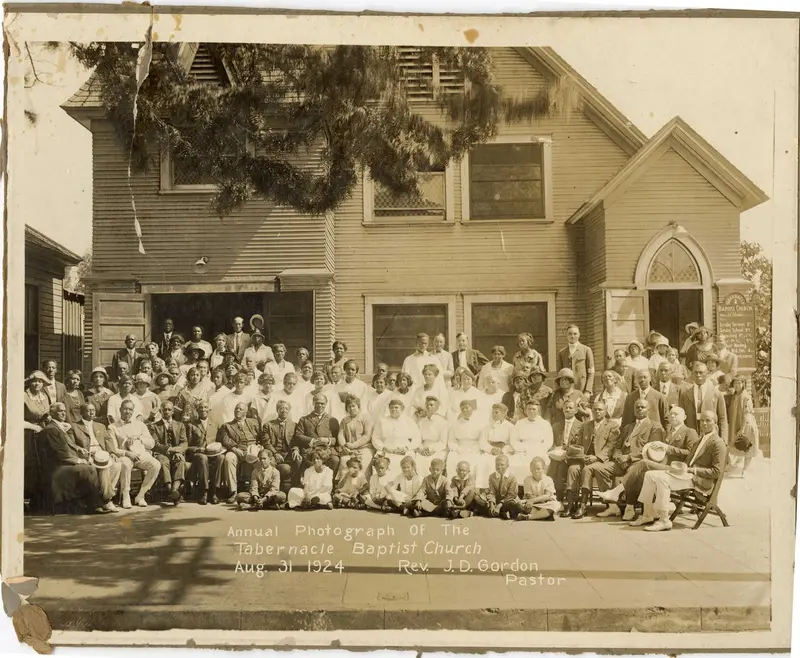
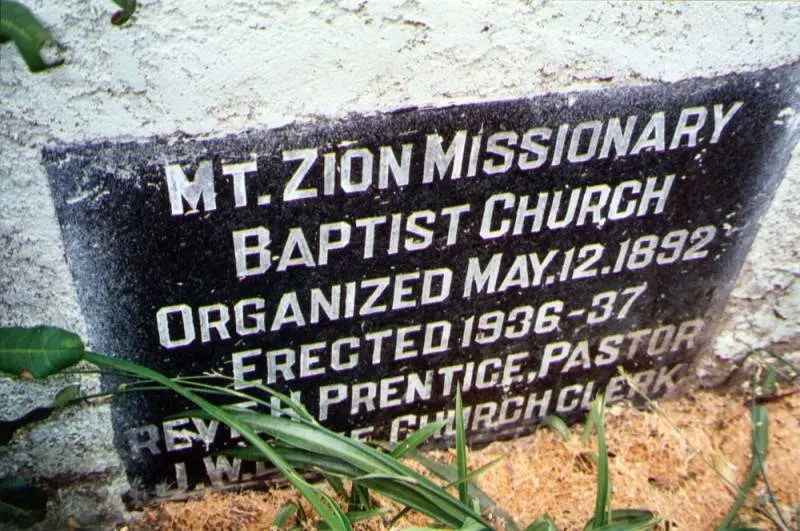
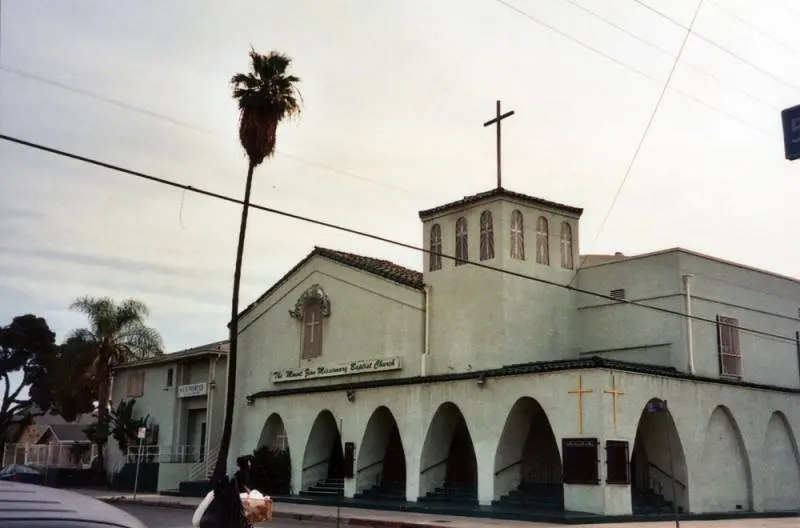
Second Baptist Church (organized 1885) became a premier Black Baptist civic venue in the West, hosting NAACP national conventions in 1928, 1942, and 1949. Mount Zion Missionary Baptist Church (organized May 12, 1892) grew to about 1,800 members and became a leading contributor to the Foreign Mission Board of the National Baptist Convention, USA, Inc. Tabernacle Baptist Church was photographed with its congregation on August 31, 1924. Trinity Baptist Church was organized November 11, 1917. Victory Baptist Church was organized on Easter Sunday, April 2, 1943, with fourteen members in a storefront. Bethlehem Baptist Church’s 1944 building by Rudolph Schindler is a rare Modernist wartime church design.
Black Los Angeles Baptists worked together through networks such as the Western Baptist Association and the National Baptist Convention, USA, Inc., which held sessions in Los Angeles in 1937 and 1949.
Sources: NPS; LA Conservancy; mtzionla.org; Scalar / CSU Dominguez Hills; Trinity Baptist Church; Victory Baptist; research packet §2.6
Salem’s place in the record
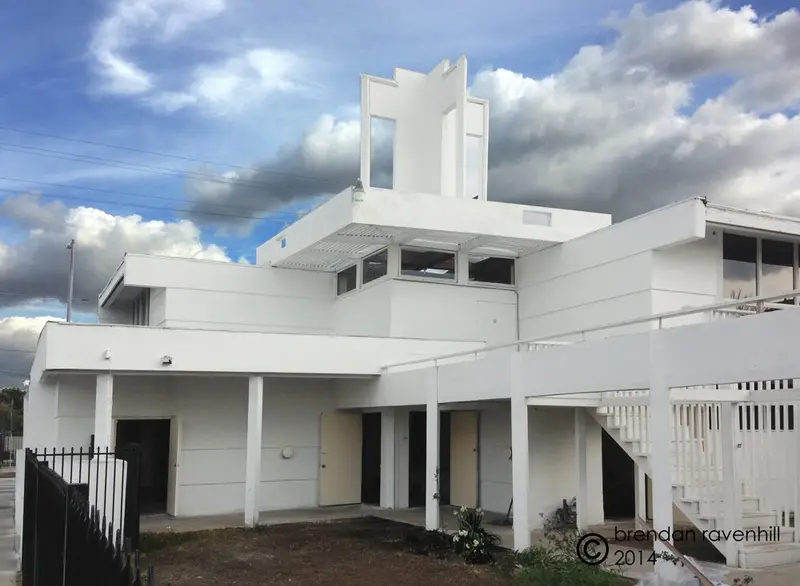
Salem Missionary Baptist Church was founded in 1931 by Pastor Charles H. Davis and established September 1, 1938. Independent mid-century traces include the 1952 Easter leaflet, a February 14, 1957 letter addressed to Rev. Charles H. Davis at Salem Baptist Church, a California Eagle mention dated December 12, 1957, and the 1958 NAACP letter to Rev. Charles H. Davis Jr. The clippings below show him as Salem’s pastor across three decades.
| Year | Event |
|---|---|
| 1885 | Second Baptist Church organized in Los Angeles. |
| 1892 | Mount Zion Missionary Baptist Church organized (May 12). |
| 1917 | Trinity Baptist Church organized (November 11). |
| 1930 | City Black population 38,894; County 46,425. |
| 1931 | Salem Missionary Baptist Church founded by Pastor Charles H. Davis. |
| 1935 | Missionary officers elected at Salem Baptist Church. |
| 1936 | Federal religious census counts 31 Black Baptist churches in Los Angeles. |
| 1938 | Salem incorporated; Articles filed September 13, 1938. |
| 1942 | Ewing Robinson ordained at Salem. |
| 1943 | Victory Baptist Church organized, Easter Sunday. |
| 1947 | Combined services with Adams Boulevard Baptist Church. |
| 1948 | Shelley v. Kraemer (May 3): courts may not enforce racial covenants. |
| 1950 | City Black population 171,209 (8.7%); County 217,881. |
| 1952 | Salem Easter leaflet names Rev. C. H. Davis Sr. and Rev. C. H. Davis Jr. |
| 1957 | California Eagle (December 12) mention of Rev. Charles H. Davis. |
| 1958 | NAACP letter to Rev. Charles H. Davis Jr. of Salem. |
Source: Salem Church History Research Packet §§1–4 (2026)
From the Archive
Memorial clippings
News clippings and photographs that remember Pastor Davis and the work of Salem.
For privacy, street addresses and telephone numbers in these historic clippings have been covered.

Salem Church Founder to be Buried Friday
Obituary notice for Rev. Charles H. Davis Sr.
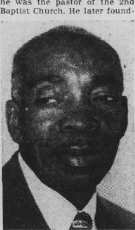
“Struck by Truck”
Portrait of Rev. Charles H. Davis Sr. from the obituary clipping.
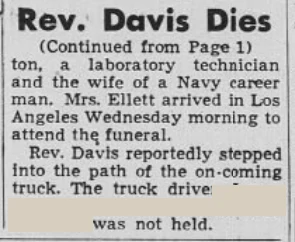
Rev. Davis Dies
Continuation of the obituary notice.
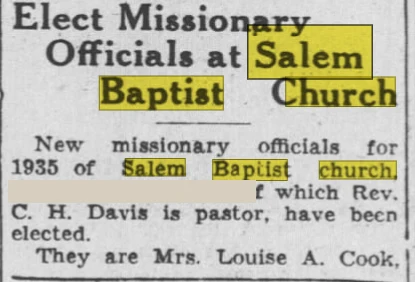
Elect Missionary Officials at Salem Baptist Church
New missionary officials for 1935, Rev. C. H. Davis, pastor.
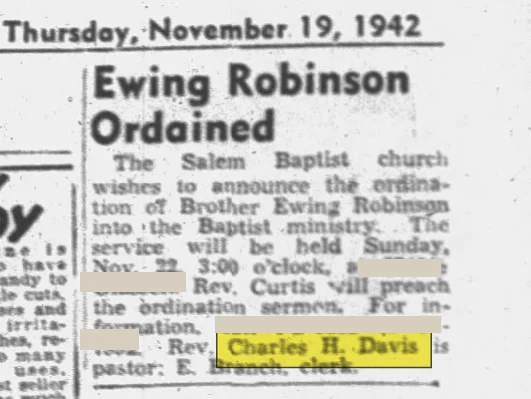
Ewing Robinson Ordained
November 19, 1942. Rev. Charles H. Davis is pastor; E. Branch, clerk.
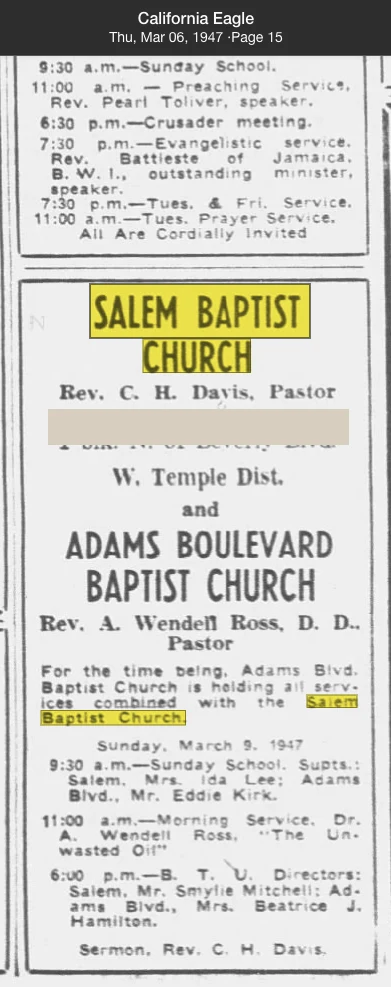
Salem Baptist Church
California Eagle church directory, March 6, 1947. Rev. C. H. Davis, Pastor.
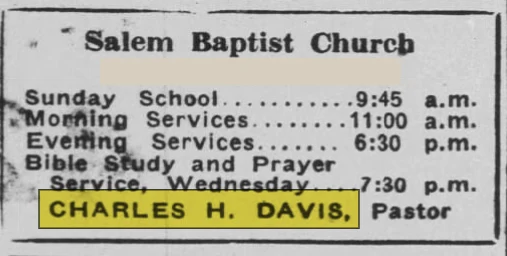
Salem Baptist Church service schedule
Sunday School, morning and evening services, and Wednesday Bible study and prayer. Charles H. Davis, Pastor.
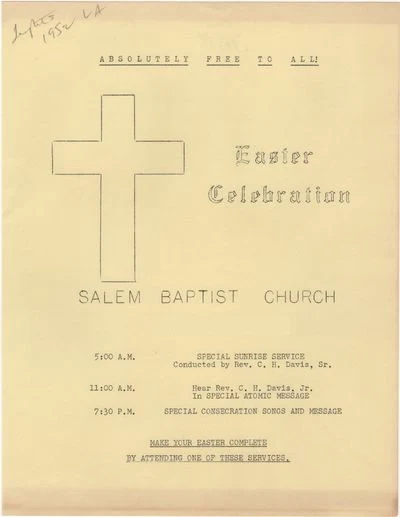
Easter Celebration, 1952
“Absolutely Free to All!” Salem Baptist Church Easter leaflet.
“Precious in the sight of the LORD is the death of his saints.” Psalm 116:15
Research credit: narrative and facts are drawn from the Salem Church History Research Packet, Rev. Charles H. Davis and the Great Migration to Los Angeles, 1930–1962 (October 2026), with credit lines under each image.